What Charterers, Vessel Owners, and Insurers Need to Know
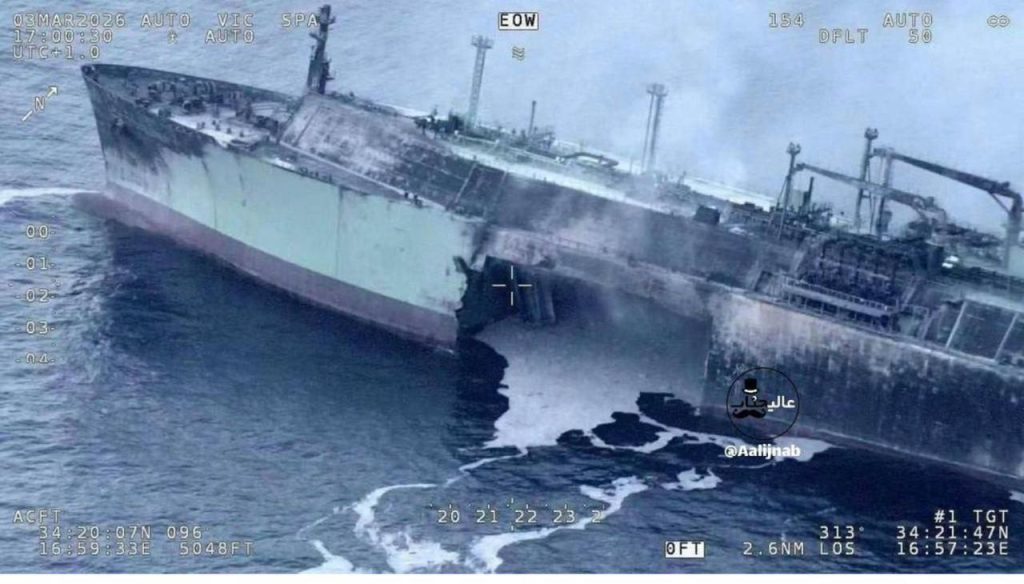
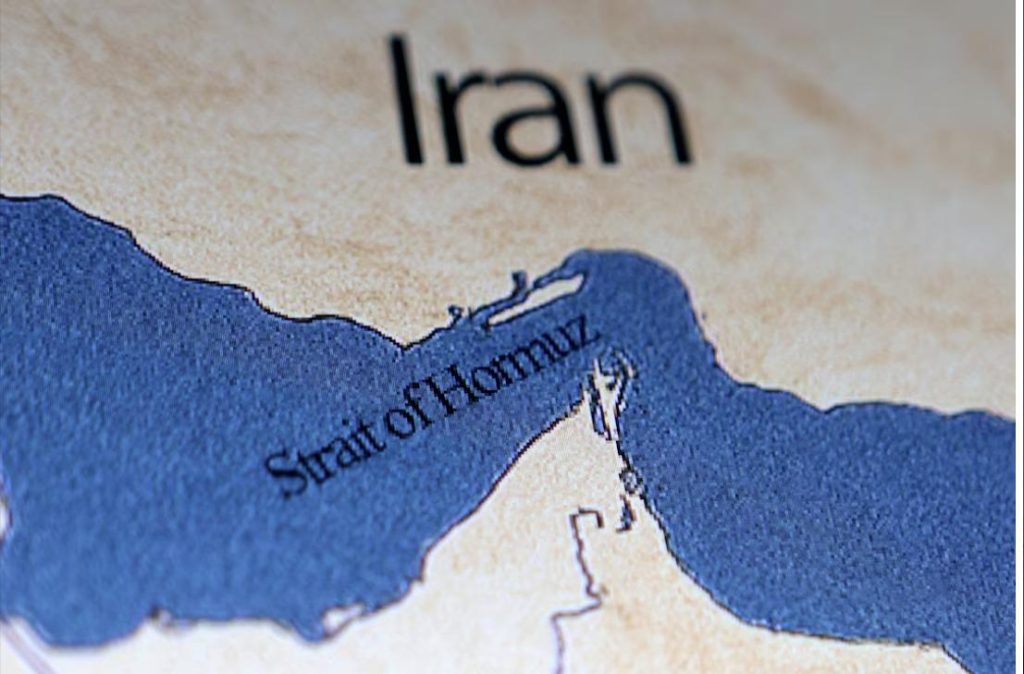
The recent escalation involving Iran and the reported disruption of navigation through the Strait of Hormuz has created serious legal and commercial uncertainty for the shipping industry. As one of the world’s most critical maritime chokepoints, any restriction on transit raises immediate issues concerning contractual performance, risk allocation, and insurance coverage.
From a shipping lawyer’s perspective, the key stakeholders , charterers, vessel owners, and insurers , must urgently assess their legal positions under existing contracts and policies.
1. Charterparty Obligations and Safe Route
Owners are generally obliged to prosecute the voyage with due dispatch and follow the charterer’s lawful orders. This obligation is, however, subject to the requirement that the nominated route and ports must be legally and physically safe.
Where credible threats of attack, seizure, or military engagement exist in or near the Strait of Hormuz, owners may argue that:
• The route is no longer contractually “safe”; and
• Compliance with voyage orders would expose the vessel and crew to unacceptable risk.
Provided the risk is real and not merely speculative, owners may be contractually entitled to refuse such orders.
2. Frustration of Contract
English Law and UAE Law Compared
The key question arising from prolonged disruption is whether affected contracts may be treated as frustrated, thereby bringing them to an end automatically by operation of law.
(a) Frustration under English Law
Under English law, frustration arises where, after formation of the contract and without fault of either party, an event occurs which:
• Makes performance physically or legally impossible, or
• Renders performance radically different from what was originally contemplated.
The threshold is deliberately high. The doctrine is applied narrowly and:
• Mere increase in cost or delay is insufficient;
• Commercial hardship alone does not amount to frustration.
In the shipping context:
• A contract will not normally be frustrated if an alternative route exists, even if longer or more expensive;
• Temporary obstruction of a sea route is unlikely to frustrate a time charter;
• A single-voyage charter may be frustrated if delay defeats the commercial purpose of the adventure (e.g. perishable or time-critical cargo).
If the Strait of Hormuz is rendered inaccessible for an indefinite or prolonged period and no commercially viable alternative route exists, frustration may arise under English law, particularly for voyage charters.
However, where the charterparty contains a war risks or force majeure clause, English courts will usually apply the contractual mechanism instead of the doctrine of frustration. Frustration will only operate where the contract makes no provision for the supervening event.
(b) Frustration under UAE Law
Under UAE law (as codified in the Civil Transactions Law), frustration is addressed through the concepts of:
• Impossibility (force majeure); and
• Exceptional circumstances (hardship).
If performance becomes objectively impossible due to an external event beyond the control of the parties, the obligation may be extinguished and the contract automatically terminated.
Unlike English law, UAE law:
• Recognises hardship as a basis for judicial intervention;
• Allows courts to modify contractual obligations to restore balance rather than terminate the contract outright.
Accordingly:
• A complete and prolonged closure of the Strait of Hormuz may qualify as force majeure, leading to termination;
• Partial disruption or extreme commercial burden may allow the court to reduce or suspend obligations rather than discharge them entirely.
This provides greater judicial flexibility than English law but also introduces uncertainty, as much depends on judicial discretion and factual assessment.
Parties trading in the region should therefore pay close attention to governing law and jurisdiction clauses, as outcomes may differ substantially
3. War Risks and Deviation Rights
Most modern charterparties incorporate war risks clauses allowing owners to:
• Refuse to enter war risk areas;
• Deviate from the contractual route;
• Recover additional war risk premiums from charterers.
Owners should document:
• Official advisories;
• Insurers’ navigational warnings;
• Flag state guidance.
Charterers should assess whether:
• The refusal is objectively justified;
• Alternative ports or routes may be nominated.
4. Insurance Implications
(a) Hull & Machinery
War risks are typically excluded from standard cover and must be insured separately. Underwriters may:
• Impose navigational limits;
• Require prior notice of transit;
• Increase premiums significantly.
(b) P&I Clubs
P&I cover may be restricted where:
• Excluded zones are entered;
• Sanctions are breached.
Owners should obtain express confirmation of cover.
(c) Cargo Insurance
Cargo interests should review:
• War risk exclusions;
• Delay and seizure provisions;
• Constructive total loss thresholds.
5. Sanctions and Regulatory Compliance
Transactions involving Iran raise sanctions risks. Parties must ensure:
• No prohibited entity receives freight or insurance proceeds;
• No cargo or port call breaches applicable regimes;
• Payment channels remain lawful.
Non-compliance may result in:
• Criminal liability;
• Loss of insurance;
• Contractual repudiation claims.
6. Practical Steps
Owners:
• Review war risks and deviation clauses;
• Notify charterers promptly;
• Secure written insurer approval.
Charterers:
• Consider alternative ports;
• Check cargo cover;
• Anticipate demurrage and delay disputes.
Insurers:
• Clarify scope of cover;
• Issue navigational warnings;
• Prepare for detention and loss claims.
Conclusion
The Strait of Hormuz crisis presents not only geopolitical risk but complex contractual and insurance consequences. Under English law, frustration will arise only in rare and extreme cases. Under UAE law, courts may intervene more readily to rebalance or terminate obligations.
Charterers, vessel owners, and insurers must act swiftly to review contracts, confirm cover, and document decisions. In this environment, proactive legal risk management is essential