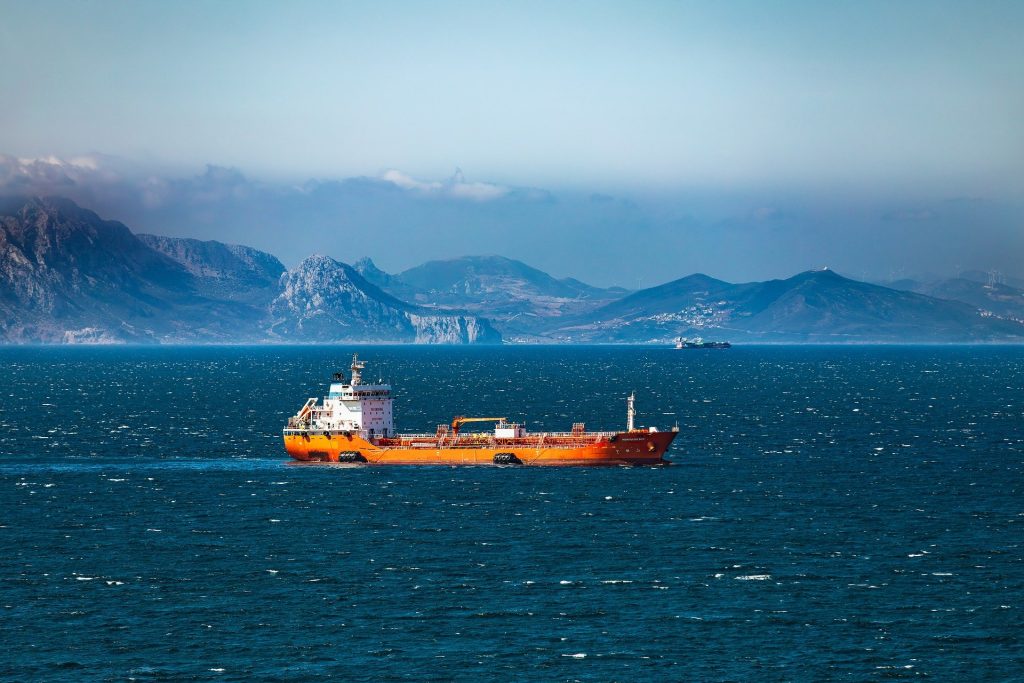
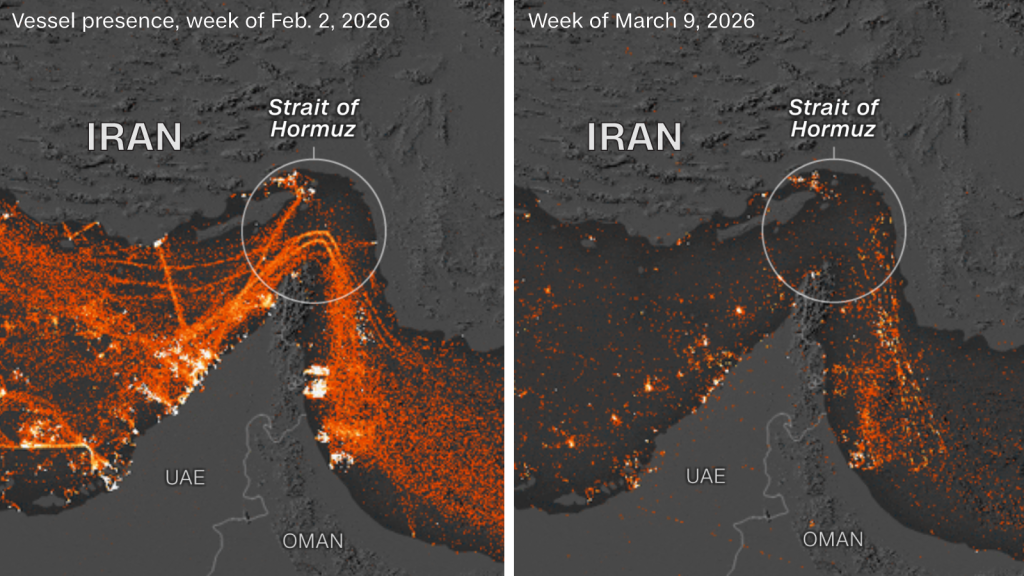
Early Termination of Time Charter: Strait of Hormuz

Variation 1: Long-form Informative Article
Navigating Troubled Waters: Early Termination of Shelltime Charters in the Strait of Hormuz
The Strait of Hormuz — a narrow but strategically critical chokepoint connecting the Persian Gulf to the Gulf of Oman — has long been a flashpoint for geopolitical tension. For charterers operating under Shelltime charter agreements, the current instability in this region has raised urgent legal and commercial questions, most notably: when and how can a charterer legitimately terminate a time charter early?
This article examines the current situation from the charterer’s perspective, analyzing the legal mechanisms available under Shelltime, the risks involved, and the strategic decisions charterers must make in one of the world’s most volatile shipping corridors.
The Current Situation in the Strait of Hormuz
The Strait of Hormuz handles approximately 20–21% of the world’s oil traffic, making it the single most important maritime chokepoint on the planet. In recent months, escalating tensions — including drone attacks, vessel seizures, and threats from regional state actors — have transformed this corridor into a high-risk zone for commercial shipping.
Lloyd’s Joint War Committee has listed the Persian Gulf and Gulf of Oman as a war risk area, triggering additional insurance premiums and operational constraints. For charterers who have vessels deployed in or near this region under Shelltime agreements, the commercial calculus has shifted dramatically.
Key developments affecting the current situation include:
● Increased military patrols and naval confrontations in the strait
● Targeted attacks on commercial tankers by unmanned aerial and surface vehicles
● Diplomatic breakdowns between regional powers and Western nations
● Heightened war risk insurance premiums, sometimes exceeding 0.5% of vessel value per voyage
● Port state advisories warning commercial vessels to avoid the area
Understanding the Shelltime Charter Framework
Shelltime is one of the most widely used standard form time charter agreements in the tanker market. Published by Shell, it has evolved through several versions — most recently Shelltime 4 — and contains detailed provisions governing the rights and obligations of both owners and charterers over the duration of the hire period.
Under a time charter, the charterer hires the vessel for a fixed period and controls its trading area and routes. However, this control is not unlimited. Shelltime contains specific clauses that become critical during periods of heightened risk, including:
● War and Excluded Zones clauses defining areas where the vessel may not be ordered
● Redelivery provisions governing how and when a vessel can be returned
● Off-hire provisions addressing when hire ceases to be payable
● Force majeure considerations, though these are limited in the Shelltime framework
The Charterer’s Right to Terminate: Legal Mechanisms
Early termination under Shelltime is not a simple process. Unlike a voyage charter where the relationship ends at cargo discharge, a time charter creates a longer-term commitment. However, charterers are not without options when circumstances on the ground — or at sea — change dramatically.
1. Repudiation and Accepted Breach
If the shipowner commits a repudiatory breach — for example, by refusing to comply with legitimate voyage orders due to perceived war risk — the charterer may accept that breach and treat the charter as terminated. This is a high-stakes legal move requiring careful documentation and legal advice.
2. Frustration of Contract
The doctrine of frustration applies where a supervening event, beyond the parties’ control, renders performance of the contract impossible or radically different from what was agreed. In the context of the Strait of Hormuz, a charterer might argue that sustained military blockade, vessel seizure, or a complete closure of the strait could frustrate the charter purpose.
However, English courts — which typically govern Shelltime disputes — apply this doctrine narrowly. The fact that performance has become more expensive or commercially disadvantageous is not sufficient to trigger frustration. The event must fundamentally destroy the basis of the contract.
3. War Cancellation Clauses
Shelltime 4 incorporates war risk provisions, typically through incorporation of CONWARTIME or VOYWAR clauses. These allow the vessel to deviate or refuse to enter designated war zones. Critically, if the vessel cannot be deployed in the agreed trading area due to war risk restrictions, the charterer may have grounds to argue that the commercial purpose of the hire is defeated.
4. Constructive Off-hire and Hire Reduction
Where a vessel is unable to perform due to war risk conditions, a charterer may argue that the vessel is off-hire. While this does not in itself terminate the charter, sustained off-hire periods can create leverage for commercial renegotiation or, in extreme cases, support a frustration argument.
Practical Considerations for Charterers
From a practical standpoint, charterers considering early termination must weigh several factors carefully:
Commercial Exposure: Wrongful termination of a Shelltime agreement exposes the charterer to substantial damages claims from the owner, including loss of hire for the remainder of the charter period. With daily hire rates potentially in the range of $25,000 to $60,000 for VLCC tankers, the financial stakes are enormous.
Mitigation Obligations: Even if termination is legally justified, the charterer must act promptly and mitigate its losses. Delayed action may weaken the legal position and increase overall exposure.
Insurance Coordination: Charterers should engage their P&I clubs and war risk insurers immediately upon identifying heightened risk scenarios. War risk additional premiums, loss of hire coverage, and liability exposure all need to be coordinated before any termination decision is made.
Documentary Evidence: A successful frustration or constructive breach argument will depend heavily on contemporaneous records — voyage orders, correspondence with the owner, insurance notifications, port authority advisories, and incident reports should all be preserved meticulously.
Keyword suggestions: Shelltime 4 early termination, time charter frustration doctrine, Strait of Hormuz shipping risk, war risk clause tanker, charterer termination rights maritime law

Mechanism Legal Basis Difficulty Level Charterer Risk Best Applied When
Repudiation / Accepted Breach Common Law High Very High Owner refuses lawful orders
Frustration of Contract Common Law / Statute Very High Moderate (if upheld) Strait fully inaccessible
War Cancellation Clause Contractual (CONWARTIME) Moderate Low to Moderate War zone designation triggered
Constructive Off-hire Contractual Moderate Low (no termination per se) Vessel unable to perform
Commercial Renegotiation Mutual Agreement Low Low Both parties seek flexibility
Conclusion: Strategic Decision-Making in Uncertain Waters
The Strait of Hormuz crisis presents charterers with a uniquely complex legal and commercial challenge. While Shelltime provides a robust framework for managing operational risk, its provisions for early termination are narrow and require careful, evidence-based application. Charterers who act precipitously risk catastrophic financial exposure; those who wait too long may find themselves locked into dangerous and commercially unviable arrangements.
The most prudent approach combines proactive legal review, close coordination with insurers, clear documentation of operational disruption, and early engagement with owners to explore commercial solutions before resorting to unilateral termination. In volatile waters, the best navigation is always one that combines legal rigor with commercial pragmatism.

Variation 2: Thought Leadership Piece
The Charterer’s Dilemma: When Geopolitics Breaks Your Time Charter
There is a particular kind of anxiety that settles over a shipping operations team when the news wires light up with another incident in the Strait of Hormuz. It is not just the immediate safety concern — it is the dawning realization that the elegant legal architecture of a time charter agreement, carefully negotiated and professionally executed, may be wholly inadequate for the reality unfolding in real time on the AIS tracker.
For charterers operating under Shelltime agreements with vessels in or near the Persian Gulf, the current crisis is not an abstract legal question. It is an urgent operational, financial, and reputational challenge demanding answers that maritime law — and Shelltime specifically — was not always designed to provide.
The Illusion of Contractual Certainty
Standard form time charters like Shelltime 4 are built on an assumption of relative geopolitical stability. They allocate risk carefully between owner and charterer: the owner provides a seaworthy vessel; the charterer directs its employment. The system works beautifully in normal times.
But what happens when “normal” evaporates? When drone swarms shadow tankers through the strait, when naval vessels shadow commercial ships through contested waters, when war risk premiums spike by 300% overnight — the contractual architecture begins to show its seams.
The Shelltime framework does include war risk provisions, but they were designed primarily to protect the owner’s asset. The charterer’s right to exit a charter that has become commercially catastrophic is far less clearly delineated. This asymmetry is the central challenge facing charterers today.
Rethinking the Charterer’s Toolkit
Progressive charterers are beginning to approach this challenge not merely as a legal problem to be solved after the fact, but as a risk management issue to be addressed before contracts are signed. This means:
● Negotiating bespoke war risk and geopolitical exit clauses at the chartering stage
● Incorporating named exclusion zones with clear termination triggers tied to objective criteria such as Lloyd’s war risk listings
● Building in commercial break options at defined intervals for long-term charters
● Ensuring insurance coverage explicitly addresses charterer’s liability exposure in war risk scenarios
For charters already in place, the toolkit is more limited but still meaningful. The doctrine of frustration, while difficult to invoke successfully under English law, remains available where the fundamental purpose of the charter has been genuinely destroyed. War risk clause provisions under CONWARTIME 2013 — increasingly incorporated by reference into Shelltime agreements — provide operational escape hatches that a well-advised charterer can use to manage exposure even if they cannot fully exit the charter.
The Human Element: Crew Safety and Charterer Responsibility
Beyond the financial and legal dimensions, there is a dimension that receives insufficient attention in maritime legal commentary: the charterer’s moral and practical responsibility for crew safety.
Under a time charter, the charterer directs the vessel’s trading. Ordering a vessel into a high-risk war zone places the crew — who are the owner’s employees — in danger. The reputational and ethical consequences of a crew member being killed or taken hostage because a charterer prioritized commercial convenience over safety are severe and lasting.
Forward-thinking charterers are increasingly treating crew safety not as an owner’s problem but as a shared responsibility, integrating real-time threat intelligence feeds into their voyage planning and establishing internal escalation protocols that trigger automatically when risk thresholds are crossed.
Looking Ahead: A Call for Contractual Evolution
The maritime industry’s standard form contracts have served it well for decades. But the Strait of Hormuz crisis — like the Panama Canal drought before it and the COVID-19 disruptions before that — reveals the limits of legacy contractual frameworks in an era of accelerating geopolitical and environmental volatility.
The shipping industry needs a serious conversation about updating standard form time charter agreements to include more nuanced and balanced war risk and force majeure provisions, clearer termination triggers tied to objective third-party designations, and explicit frameworks for commercial renegotiation when circumstances change materially.
Until that conversation produces results, charterers must navigate with the tools they have — which means investing in legal expertise, building operational flexibility, and refusing to let contractual inertia drive decisions that should be made on the merits.
Keyword suggestions: Shelltime 4 war risk charterer rights, time charter geopolitical risk management, CONWARTIME 2013 charterer protection, Persian Gulf shipping legal risk, Strait of Hormuz tanker charter termination

Variation 3: Practical How-to Guide
How Charterers Can Pursue Early Termination of a Shelltime Agreement Due to Strait of Hormuz Conditions: A Step-by-Step Guide
If you are a charterer with a vessel employed under a Shelltime time charter and the current security situation in the Strait of Hormuz is threatening your operations, this guide provides a structured, practical framework for assessing and — where appropriate — pursuing early termination of your charter agreement.
This guide is for informational purposes only and does not constitute legal advice. Always consult qualified maritime legal counsel before taking action.
Step 1: Assess Your Current Legal Position
Before taking any action, you need a clear picture of where you stand contractually. Pull together the following documents and review them carefully with your legal team:
● The Shelltime charter party (identify the version — Shelltime 3 or 4)
● All addenda, side letters, and rider clauses
● Incorporated war risk clauses (CONWARTIME 2013 or VOYWAR 2013)
● The agreed trading area and any exclusion zones already specified
● Redelivery and termination provisions
● Applicable law and arbitration clause (typically English law / London arbitration)
Step 2: Document the Changed Circumstances
Any legal argument for early termination will depend on demonstrating that circumstances have changed materially and objectively. Begin building your evidence file immediately:
● Obtain the current Lloyd’s Joint War Committee designated areas list confirming war risk status
● Collect insurance broker correspondence confirming additional premium requirements
● Gather port authority and flag state advisories regarding the strait
● Document any actual incidents affecting vessels in the region
● Record all communications with the owner regarding the risk situation
● Obtain legal opinions on the current state of risk designation
Step 3: Engage Your Insurance Team
Contact your P&I club, war risk insurers, and brokers without delay. Confirm:
● Whether coverage remains in place for the affected trading area
● The quantum of additional war risk premiums now applicable
● Whether the insurer has issued any navigational recommendations
● Your potential liability exposure if a crew injury or vessel loss occurs
● Whether a charterer’s liability endorsement covers early termination consequences
Step 4: Communicate Formally with the Shipowner
Do not make unilateral decisions without first formally communicating with the shipowner in writing. Your communication should:
● Set out the factual basis for your concern in clear, objective terms
● Reference specific charter party clauses you believe are engaged
● Propose a commercial discussion regarding charter modification or termination
● Avoid inflammatory language or premature assertions of breach
● Set a reasonable deadline for the owner’s response
Many early termination situations are resolved commercially through mutual agreement, avoiding costly arbitration. Owners with vessels that cannot safely operate in the current environment may be receptive to early redelivery or charter restructuring.
Step 5: Consider the Available Legal Routes
If commercial negotiation fails, work with your legal advisors to assess which legal mechanism best fits your situation:

Situation Recommended Route Key Evidence Required
Owner refuses to follow lawful voyage orders citing war risk Accept repudiation / terminate for breach Written refusal, voyage orders, legal opinion
Strait fully closed by military or governmental action Frustration of contract Official closure orders, Lloyd’s advisory, legal opinion
War zone designation prevents deployment in agreed area CONWARTIME clause + commercial negotiation War risk listing, insurance correspondence
Vessel unable to perform due to ongoing attacks Off-hire claim + renegotiation Incident reports, AIS data, master’s logs
Neither party wishes to continue charter Mutual termination agreement Signed termination agreement, settlement terms
Step 6: Calculate Your Financial Exposure
Before committing to any termination strategy, model out your financial exposure under different scenarios:
● Cost of continued charter: Remaining hire at the agreed daily rate plus enhanced war risk premiums
● Cost of wrongful termination: Damages equal to the owner’s loss of hire for the charter remainder, potentially $500,000 to several million USD depending on vessel type and remaining period
● Cost of frustration claim (if successful): Apportionment of prepaid hire under the Law Reform (Frustrated Contracts) Act 1943
● Cost of arbitration: Legal fees, tribunal costs, and potential adverse costs orders
Step 7: Execute Your Chosen Strategy With Precision
Once a strategy has been selected and legal advice obtained, execution must be precise and well-timed. Key principles:
● All communications should be in writing and timestamped
● Termination notices must comply exactly with charter party requirements as to form, notice period, and delivery method
● Do not take inconsistent positions — acting as if the charter continues while simultaneously asserting termination undermines your legal position
● Preserve all evidence and maintain your mitigation obligations throughout
● If proceeding to arbitration, file your notice promptly to preserve limitation rights
Summary Checklist for Charterers
● Review charter party clauses and incorporated war risk provisions
● Obtain current war risk designation documentation from Lloyd’s JWC
● Engage P&I club and war risk insurers immediately
● Communicate formally and constructively with the shipowner
● Obtain specialist maritime legal advice on available termination routes
● Model financial exposure under all scenarios before acting
● Execute chosen strategy precisely, in writing, and consistently
● Maintain meticulous records throughout the process
Keyword suggestions: how to terminate Shelltime charter early, charterer war risk termination guide, Shelltime 4 redelivery procedure, Strait of Hormuz charter legal options, time charter frustration English law, CONWARTIME 2013 charterer guide
Final Thought
Early termination of a Shelltime time charter is never a decision to be taken lightly — least of all in a geopolitical environment as unpredictable as the current Strait of Hormuz crisis. But with the right legal framework, careful documentation, and a commitment to acting in good faith, charterers can protect their commercial interests and their legal position without exposing themselves to unnecessary risk. The key is to act early, act carefully, and always act with legal counsel at your side.

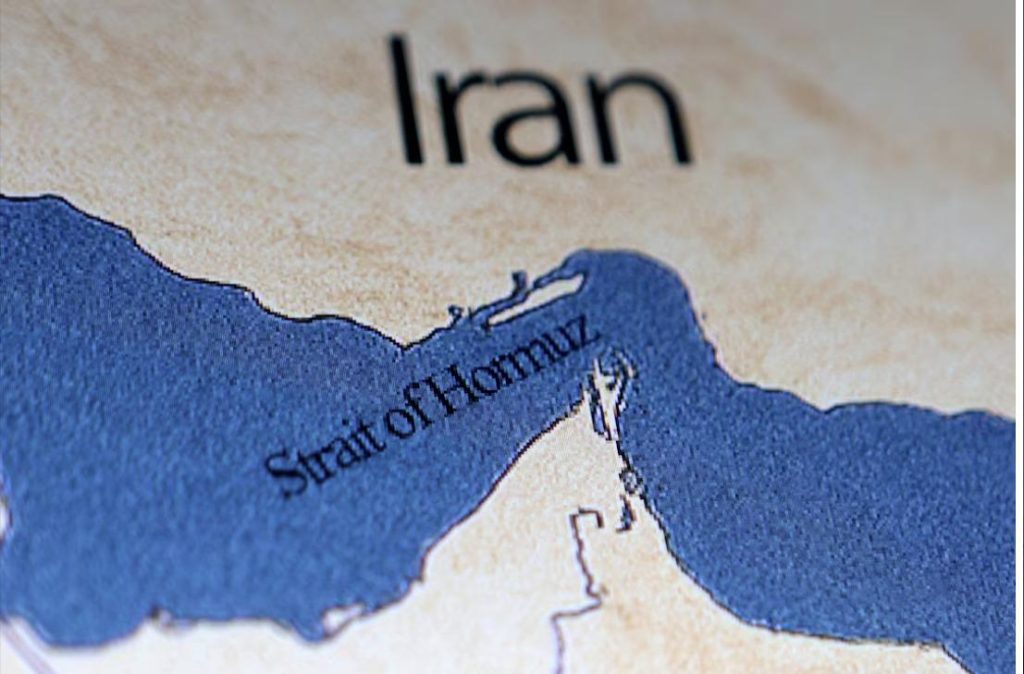
Oil Price Volatility and Contractual Risk in Energy and Shipping

Oil Price Volatility and Contractual Risk in Energy and Shipping: An English Law Perspective On 9 March 2026, Brent Crude rose above USD 118 per barrel, marking its sharpest increase since early 2020. While market participants often focus on the commercial implications of such price movements, the legal ramifications within the energy and maritime sectors are equally significant. Periods of sharp volatility frequently place immediate stress on contractual relationships across the supply chain, particularly where transactions are governed by English law, which remains the predominant governing law for international commodities trading and maritime contracts. Under English law, contractual certainty and the strict allocation of risk between parties are central principles. Consequently, fluctuations in market price or commercial disadvantage rarely excuse performance unless the relevant contract expressly provides otherwise. In volatile market conditions, several recurring legal issues tend to arise. Force majeure and contractual relief Parties affected by geopolitical instability, logistical disruptions, or regulatory constraints may attempt to rely on force majeure provisions. However, English law does not recognise force majeure as a freestanding doctrine. Its applicability depends entirely on the construction of the contractual clause and whether the event relied upon falls within the clause’s scope. Arbitral tribunals and courts applying English law typically examine:•whether the event falls within the clause,•whether the event prevented, hindered, or delayed performance, depending on the wording used, and•whether the party relying on the clause has complied with notice and mitigation requirements. Sanctions and illegality considerations Rapid geopolitical developments may introduce sanctions risks or regulatory prohibitions affecting payment flows, vessel employment, or cargo destination. In such circumstances, parties must carefully assess whether performance has become unlawful or merely commercially impracticable, as the legal consequences differ substantially under English law. Charterparty disputes In the maritime context, volatile markets frequently generate disputes under voyage and time charterparties, particularly in relation to:•delayed vessel nominations or cancellations•cargo diversion or deviation•off-hire and delay claims•failure to load or discharge within agreed laytime These disputes are commonly resolved through London arbitration under the rules of the London Maritime Arbitrators Association. Damages exposure in volatile markets Where a party fails to perform its contractual obligations, English law generally measures damages by reference to the difference between the contract price and the market price at the date of breach, together with any reasonably foreseeable consequential losses. During periods of rapid price escalation, this principle can lead to substantial damages exposure, particularly in the context of spot cargo transactions. Contractual chain risk Energy cargoes are typically embedded within a complex chain of contracts including:•sale and purchase agreements•charterparties•letters of credit and trade finance arrangements•marine insurance policies Disruption at one level of the contractual chain often triggers liability cascading through multiple counterparties, increasing the likelihood of multi-party disputes. Many such disputes are ultimately referred to arbitration in London, including proceedings administered by the London Court of International Arbitration. The limited scope of frustration Parties occasionally seek to rely on the doctrine of frustration where unforeseen events dramatically alter the commercial landscape. However, English courts apply this doctrine narrowly, and a contract will only be frustrated where performance has become radically different from that originally contemplated by the parties. Price volatility alone will almost never satisfy this threshold. Conclusion In the energy and maritime sectors, sharp increases in oil prices do not merely affect market economics ,they activate the legal risk embedded within contractual arrangements. When prices spike, contracts are effectively stress-tested in real time, and the allocation of risk negotiated between the parties becomes decisive. For shipowners, charterers, traders, and financiers alike, the difference between a commercially manageable disruption and a significant legal dispute often depends on the drafting of the underlying contract and the governing law chosen at the outset.

Legal Implications of the Strait of Hormuz Crisis

What Charterers, Vessel Owners, and Insurers Need to Know   The recent escalation involving Iran and the reported disruption of navigation through the Strait of Hormuz has created serious legal and commercial uncertainty for the shipping industry. As one of the world’s most critical maritime chokepoints, any restriction on transit raises immediate issues concerning contractual performance, risk allocation, and insurance coverage.   From a shipping lawyer’s perspective, the key stakeholders , charterers, vessel owners, and insurers , must urgently assess their legal positions under existing contracts and policies.   1. Charterparty Obligations and Safe Route   Owners are generally obliged to prosecute the voyage with due dispatch and follow the charterer’s lawful orders. This obligation is, however, subject to the requirement that the nominated route and ports must be legally and physically safe.   Where credible threats of attack, seizure, or military engagement exist in or near the Strait of Hormuz, owners may argue that:  • The route is no longer contractually “safe”; and  • Compliance with voyage orders would expose the vessel and crew to unacceptable risk.   Provided the risk is real and not merely speculative, owners may be contractually entitled to refuse such orders.   2. Frustration of Contract   English Law and UAE Law Compared   The key question arising from prolonged disruption is whether affected contracts may be treated as frustrated, thereby bringing them to an end automatically by operation of law.   (a) Frustration under English Law   Under English law, frustration arises where, after formation of the contract and without fault of either party, an event occurs which:  • Makes performance physically or legally impossible, or  • Renders performance radically different from what was originally contemplated.   The threshold is deliberately high. The doctrine is applied narrowly and:  • Mere increase in cost or delay is insufficient;  • Commercial hardship alone does not amount to frustration.   In the shipping context:  • A contract will not normally be frustrated if an alternative route exists, even if longer or more expensive;  • Temporary obstruction of a sea route is unlikely to frustrate a time charter;  • A single-voyage charter may be frustrated if delay defeats the commercial purpose of the adventure (e.g. perishable or time-critical cargo).   If the Strait of Hormuz is rendered inaccessible for an indefinite or prolonged period and no commercially viable alternative route exists, frustration may arise under English law, particularly for voyage charters.   However, where the charterparty contains a war risks or force majeure clause, English courts will usually apply the contractual mechanism instead of the doctrine of frustration. Frustration will only operate where the contract makes no provision for the supervening event.   (b) Frustration under UAE Law   Under UAE law (as codified in the Civil Transactions Law), frustration is addressed through the concepts of:  • Impossibility (force majeure); and  • Exceptional circumstances (hardship).   If performance becomes objectively impossible due to an external event beyond the control of the parties, the obligation may be extinguished and the contract automatically terminated.   Unlike English law, UAE law:  • Recognises hardship as a basis for judicial intervention;  • Allows courts to modify contractual obligations to restore balance rather than terminate the contract outright.   Accordingly:  • A complete and prolonged closure of the Strait of Hormuz may qualify as force majeure, leading to termination;  • Partial disruption or extreme commercial burden may allow the court to reduce or suspend obligations rather than discharge them entirely.   This provides greater judicial flexibility than English law but also introduces uncertainty, as much depends on judicial discretion and factual assessment.   Parties trading in the region should therefore pay close attention to governing law and jurisdiction clauses, as outcomes may differ substantially   3. War Risks and Deviation Rights   Most modern charterparties incorporate war risks clauses allowing owners to:  • Refuse to enter war risk areas;  • Deviate from the contractual route;  • Recover additional war risk premiums from charterers.   Owners should document:  • Official advisories;  • Insurers’ navigational warnings;  • Flag state guidance.   Charterers should assess whether:  • The refusal is objectively justified;  • Alternative ports or routes may be nominated.   4. Insurance Implications   (a) Hull & Machinery   War risks are typically excluded from standard cover and must be insured separately. Underwriters may:  • Impose navigational limits;  • Require prior notice of transit;  • Increase premiums significantly.   (b) P&I Clubs   P&I cover may be restricted where:  • Excluded zones are entered;  • Sanctions are breached.   Owners should obtain express confirmation of cover.   (c) Cargo Insurance   Cargo interests should review:  • War risk exclusions;  • Delay and seizure provisions;  • Constructive total loss thresholds.   5. Sanctions and Regulatory Compliance   Transactions involving Iran raise sanctions risks. Parties must ensure:  • No prohibited entity receives freight or insurance proceeds;  • No cargo or port call breaches applicable regimes;  • Payment channels remain lawful.   Non-compliance may result in:  • Criminal liability;  • Loss of insurance;  • Contractual repudiation claims.   6. Practical Steps   Owners:  • Review war risks and deviation clauses;  • Notify charterers promptly;  • Secure written insurer approval.   Charterers:  • Consider alternative ports;  • Check cargo cover;  • Anticipate demurrage and delay disputes.   Insurers:  • Clarify scope of cover;  • Issue navigational warnings;  • Prepare for detention and loss claims.   Conclusion   The Strait of Hormuz crisis presents not only geopolitical risk but complex contractual and insurance consequences. Under English law, frustration will arise only in rare and extreme cases. Under UAE law, courts may intervene more readily to rebalance or terminate obligations.   Charterers, vessel owners, and insurers must act swiftly to review contracts, confirm cover, and document decisions. In this environment, proactive legal risk management is essential

The New Landscape of Ship Recycling

Introduction The ship recycling landscape changed significantly in 2025 with the entry into force of the Hong Kong International Convention for the Safe and Environmentally Sound Recycling of Ships on 26 June 2025. This shift is not simply a regulatory milestone, it changes the way vessel owners calculate the timing, process, and commercial outcome of scrapping decisions. Historically, the decision to scrap vessels has been driven primarily by scrap prices, freight market conditions, and timing. Recycling was often treated as an end of life transaction, influenced by market cycles more than compliance constraints. While the Convention itself was adopted in May 2009, the required entry into force criteria were met in June 2023, and June 2025 marked the start of formal global enforcement. For the UAE, this matters because the country is a regional decision making hub for owners, operators, technical managers, cash buyers, and financiers. More importantly, the UAE also introduced its own ship recycling regulation that took effect on 26 June 2025, aligning local requirements with international standards and placing obligations on UAE flagged ships and certain foreign ships connected to UAE waters. As a result, scrapping decisions will no longer be governed solely by market conditions, they will increasingly be shaped by regulatory compliance, documentation readiness, and the availability of facilities that meet international standards. What actually changed in June 2025 The Convention now sets out binding requirements governing the safe and environmentally sound recycling of ships. In practical terms, it establishes mandatory rules that cover both vessel preparation and recycling yard operations. The Convention now: prohibits or restricts the installation and use of certain hazardous materials on ships, including asbestos, PCBs, ozone depleting substances, and specified anti fouling systems requires ships to develop, maintain, and certify an Inventory of Hazardous Materials, not only at the point of recycling, but across the vessel’s operational life requires ships going for recycling to obtain a ready for recycling certificate and to be recycled at an authorised facility requires recycling facilities to be authorised by a competent authority and to prepare both a facility plan and ship specific recycling plans Amongst other measures, the overall effect is that voluntary standards are replaced by mandatory requirements, and the burden is distributed across owners, flags, class, and recycling yards. What standards recycling facilities must meet The conversation around green recycling often focuses on ships, but the real structural change sits with facilities. Under the Convention, a ship recycling facility must be authorised by its competent authority and must hold a Document of Authorisation for Ship Recycling. In practice, that authorisation is built around the facility’s Ship Recycling Facility Plan, which sets out management systems, procedures, and controls designed to protect workers and reduce environmental harm. The facility must also develop a ship specific recycling plan for each vessel it dismantles, built on the vessel’s hazardous materials inventory and the operational realities of the yard. This is where the process becomes less informal and more engineered, because the recycling plan ties the vessel’s risk profile to defined handling methods, waste streams, and safety procedures. For EU flagged tonnage, the facility standard is even more explicit, because vessels must be recycled at yards on the European List. In February 2025, the European Commission updated the list, noting the addition of yards in the Netherlands and Türkiye and confirming that the list contained 43 facilities, most of which are in Europe and Türkiye. This is important because it shows the direction of travel, compliant capacity is growing, but it is still concentrated, and it is still a constrained input when demolition volumes rise. The UAE position, regulation, and what it signals The UAE has not traditionally been viewed as a major recycling destination, but it has signalled a regulatory intent to align with international standards and control recycling outcomes linked to UAE waters. The UAE Ministry of Energy and Infrastructure issued the UAE Ship Recycling Regulation, applying from 26 June 2025 to UAE flagged ships and certain foreign ships connected to recycling decisions made in UAE waters. Market commentary around the UAE regulation has highlighted that the UAE will likely need more compliant yard capacity if it wants recycling activity to grow locally under the new rules, and that the regulation is designed to encourage compliant recycling capacity. Separately, industry summaries of UAE requirements have noted that UAE rules mirror the direction of EU standards by expanding hazardous material inventory expectations, including additional substances, and by emphasising higher control over documentation and compliance for ships calling UAE ports. Whether the UAE becomes a material recycling location is still a market question. What is clear is that the UAE is positioning itself to be a jurisdiction where recycling decisions are more tightly regulated, more visible, and more dependent on certified facility standards. How these regulations reshape owner decision making These changes represent a new commercial reality for owners and operators, including those managed or controlled from the UAE. Previously, scrap timing was often opportunistic, driven by freight rates and scrap prices. Going forward, recycling decisions will be more influenced by the condition of the vessel, the readiness of documentation, and the practical ability to access an authorised facility without delay. Compliant recycling also changes the economics. Meeting the required standard often reduces net proceeds compared with older practices, because it increases process costs, compliance costs, and planning time. It also introduces timing risk, surveys, certification, inventory updates, and possible waiting periods for compliant capacity. The key point is that recycling is no longer a last minute decision. It becomes part of lifecycle planning, and owners that plan earlier generally preserve more control over cost, timing, and counterparties. Effects on capacity, geography, and market friction While the Convention is a net positive for safety and environmental standards, the transition is unlikely to be smooth. One immediate challenge is capacity, there are only so many facilities that can meet authorisation standards at scale, and demand can cluster quickly when markets turn and demolition accelerates. A second issue

How The Aging Fleet Will Impact Owners, Insurers, and Charterers

Introduction Insurers are facing a complicated challenge in today’s shipping market. The average age of the global fleet is approaching 23 years, creating structural problems for insurers providing cover to shipowners and ship management companies. Driven by elevated freight rates, owners are delaying scrapping decisions and keeping vessels in operation that would historically have been retired. The rising average age of the fleet has coincided with a marked increase in onboard incidents. Maritime safety incidents increased by 42% between 2018 and 2024, while over the same period the global fleet grew by only 10%. More than half of all incidents in 2024 were attributable to vessels aged 20 years or older, with 41% linked to ships in the 25+ age category. By comparison, in 2014, 41% of incidents involved vessels over 20 years old, with 32% attributable to the 25+ age group. While this trend may not appear negative at face value, short-term gains for insurers risk being outweighed by longer-term consequences, including structural underwriting pressures, rising claim frequency, and increasing friction in the insurance process. Over time, these dynamics strain relationships between owners, managers, and insurers. Although, much of this discussion around the aging world fleet focuses on insurers and owners, there are also implications for charterers. Charterers sit between commercial performance and operational risk, becoming increasingly exposed to the downstream effects of aging fleets. Even if they do not directly control asset condition or maintenance decisions, they remain affected. Implications for Insurers The global marine insurance premium base increased by 1.5% year-on-year from 2024 to 2025, reaching approximately $39.92 billion. This premium income was split across transport and cargo at 57.23%, global hull at 23.51%, offshore energy at 11.71%, and marine liability (excluding P&I covered by International Group clubs) at 7.55%. While rising premiums may support insurers’ balance sheets in the short term, a longer-term detriment to the industry is now beginning to be flagged by insurers and classification societies alike. As incident frequency rises in line with fleet age, insurance payouts inevitably increase. Premium growth is unlikely to keep pace with the frequency and severity of losses, particularly within the hull and machinery sector. As losses become more frequent, repair costs inflate further, and loss ratios deteriorate despite higher premiums. The resulting underwriting losses may not be immediately visible, but are likely to become more material over the next 12 to 24 months. Older vessels also present a distinct challenge from a coverage perspective. They blur the line between sudden, accidental damage, which is typically insured, and gradual wear, corrosion, or structural fatigue, which is generally excluded. This ambiguity contributes to more coverage disputes, higher legal and claims-handling costs, and understated but persistent friction between owners, managers, and insurers. The growing concentration of older tonnage creates diversification challenges for insurers and portfolio instability for owners. For insurers, risk is no longer spread evenly across fleets of varying ages, leading to heightened concentration risk and increased reinsurance pressure. For owners, this manifests in higher premiums and deductibles, more frequent exclusions, and a greater incidence of declined or contested claims, as insurers themselves face constraints in reinsuring their portfolios. These issues are most acute during changes of ownership, where vessels must be placed into new insurance programmes. As reinsurers price marine risk more conservatively, reinsurance costs rise, feeding through to higher owner premiums, tighter underwriting terms, and reduced market capacity. Impact on Owners Ultimately, the aging fleet presents two distinct perspectives. For owners, it would be incomplete not to acknowledge the benefits of operating older vessels. Despite higher insurance costs and advancing age, many of these ships remain profitable. Owners are therefore likely to prioritise cashflow and operational returns over the broader challenges insurers face in managing and reinsuring aging tonnage. While declining asset values create liquidity concerns, sustained profitability may be sufficient to justify continued operation. For insurers, however, rising premiums do little to alleviate the persistent challenge of elevated loss frequency and increasing deductibles. Insurers cannot simply withdraw cover based on vessel age alone. Owners may seek alternative capacity, operate with inadequate insurance, or sell vessels to third parties who continue trading them within the expanding “dark fleet.” This outcome is not necessarily the result of misconduct by owners or insurers, but rather a reflection of market dynamics driven by an aging global fleet. Insurers face sustained pressure on loss ratios and capacity, while simultaneously working to preserve relationships with owners and managers in an industry dominated by a relatively small number of key participants. Although insurers retain tools such as higher deductibles, exclusions, and conditional cover, exercising these measures risks alienating clients in a highly competitive market. Implications for Charterers Charterers are increasingly exposed to the consequences of an aging global fleet. As vessels remain in service for longer, operational and commercial risks intensify, particularly when older tonnage experiences mechanical failures, delays, or off-hire events. These disruptions can translate directly into lost revenue, schedule instability, and increased exposure to claims and disputes. The prevalence of aging vessels also increases the likelihood of off-hire disputes, deviation-related costs, and delays arising from maintenance or class interventions. While vessels may remain technically insured, charterers are often indirectly affected when coverage limitations, disputes, or delays in claims resolution disrupt operations. As a result, charterers find themselves increasingly entangled in insurance-related issues despite having no direct control over the underlying insurance arrangements. This exposure is likely to intensify as the global fleet continues to age. Charterers face a structural dilemma: they must continue to secure tonnage to conduct their business, yet they have limited influence over vessel age, maintenance standards, or the terms under which vessels are insured. Although, in theory, charterers can favour younger or better-maintained ships, in practice the constrained supply of modern tonnage limits this flexibility. As a result, commercial necessity often outweighs risk preference, leaving charterers with little choice but to accept elevated operational and contractual exposure. Market Outlook for Insurers, Owners, and Charters While efforts by classification societies and insurers to encourage higher scrapping rates

𝐒𝐡𝐢𝐩𝐓𝐞𝐤 𝐈𝐧𝐭𝐞𝐫𝐧𝐚𝐭𝐢𝐨𝐧𝐚𝐥 𝐀𝐰𝐚𝐫𝐝𝐬 𝟐𝟎𝟐𝟒

Book your delegate pass: https://lnkd.in/gZ_GSGZ3 ⏰ COUNTDOWN ALERT!🏆 Just 15 Days until the grand celebration at 𝐒𝐡𝐢𝐩𝐓𝐞𝐤 𝐈𝐧𝐭𝐞𝐫𝐧𝐚𝐭𝐢𝐨𝐧𝐚𝐥 𝐀𝐰𝐚𝐫𝐝𝐬 𝟐𝟎𝟐𝟒 in Dubai. 🎉 Save the date and join us for an unforgettable evening recognizing excellence in the maritime industry. The countdown is on – don’t miss the maritime event of the year! For event details, please visit: https://lnkd.in/gBFX8qB6 #ShipTek2024 #AwardsNight #MaritimeExcellence #DubaiEvents #CountdownBegins #15DaysToGo #IndustryRecognition #ShipTekAwards #MaritimeInnovation #offshore #oilandgas #ports #energy #shipsandshipping #logistics ShipTek 2024 Sponsored By: Government Partner: MOEIUAE Gold Sponsor: LENOL Dinner & Cocktail Sponsor: Faisal M. Higgi & Associates Co. Ltd. | V.Group Badge & Lanyard Sponsor: Stanford Marine Lunch & Coffee Sponsor: Ruby International Maritime and Legal Consultancy Conference Session Sponsors: Bahri | البحري | American Bureau of Shipping (ABS) | Bureau Veritas Group | Wilhelmsen group | Pomfret.cloud | Indian Register of Shipping Associate Sponsors: Albwardy Damen | Seamaster Maritime Group | Oceanic Ship Repair and Engineering Services LLC – Dubai, UAE | Besiktas Shipping | Oscar Marine | 𝐅𝐎𝐒𝐑𝐀𝐌𝐒 | Emirates Classification Society (TASNEEF) | Unimarine Group | Stoilef | Solas Marine Services Group

Changing the way international business is done electronically in the UK

On 20 July 2023, the UK enacted an important new law that promises to transform the way international trade is conducted electronically. The Electronic Trade Document Act 2023 means that businesses that rely on English law are now legally permitted to exchange bills of lading and other trade documents electronically. Although it is a relatively minor change in the law, it is likely to have a significant impact on the way maritime trade is conducted. International shipping relies heavily on English law as the governing law for charter parties and other maritime agreements. This is also true for bills of lading where it is estimated that 80-90% of all bulk shipping bills are governed by English law. So, the impact of this new legislation will extend beyond the UK’s shores to embrace the global trade ecosystem. It is an extremely important milestone for trade digitalisation and supports similar initiatives to adopt electronic trade document laws in other countries, such as Singapore.

Vessel Mortgage and Financing in UAE: A Complete Guide

The United Arab Emirates (UAE) is home to one of the busiest ports in the world and has a thriving maritime industry. With a vast coastline and a strategic location, the UAE is an ideal destination for ship owners and operators. However, owning and operating a vessel can be an expensive affair, and many owners rely on financing to acquire or maintain their vessels. In this article, we will discuss vessel mortgage and financing in the UAE, including where flag registry can be done and how financing can be secured through local banks. Vessel Mortgage in UAE A vessel mortgage is a loan that is secured by a ship or other seafaring vessel. In the UAE, a vessel mortgage can be registered with the Dubai Maritime City Authority (DMCA) or the Federal Transport Authority (FTA). The registration process involves providing details of the vessel, the owner, and the mortgage lender. Vessel owners can use their vessels as collateral to secure financing from banks or other lending institutions. The vessel mortgage gives the lender the right to take possession of the vessel if the borrower defaults on the loan. This provides a level of security for the lender and allows them to offer more favorable terms to the borrower. Financing Vessels in UAE There are several options available for financing vessels in the UAE. Most local banks offer vessel financing, and it is also possible to obtain financing through private lenders or investors. The most common financing option is a vessel mortgage, which is a loan that is secured by the vessel. Typically, UAE banks will finance up to 60% of the vessel’s value and require the borrower to provide a corporate guarantee and a personal guarantee. The interest rates for vessel financing in the UAE range from 5% to 6%, and the repayment period can be up to six years. Mashreq and NBF banks are among the most popular banks for vessel financing in the UAE. These banks have extensive experience in the maritime industry and offer competitive rates and flexible repayment terms. Flag Registry in UAE Vessel owners must register their vessels with a flag registry to obtain legal recognition and to comply with international regulations. In the UAE, vessels can be registered with the Dubai Maritime City Authority (DMCA) or the Federal Transport Authority (FTA). The flag registry provides proof of ownership and allows vessels to travel internationally. Vessels registered in the UAE can fly the UAE flag and enjoy the benefits of being a UAE-flagged vessel, such as access to UAE ports and waters. Conclusion Vessel mortgage and financing are essential for vessel owners and operators in the UAE. The UAE offers several options for vessel financing, and vessel owners can take advantage of competitive rates and flexible repayment terms. Vessels must also be registered with a flag registry to obtain legal recognition and comply with international regulations. Mashreq and NBF banks are among the most popular banks for vessel financing in the UAE, and vessel owners can register their vessels with the DMCA or FTA.