

Introduction
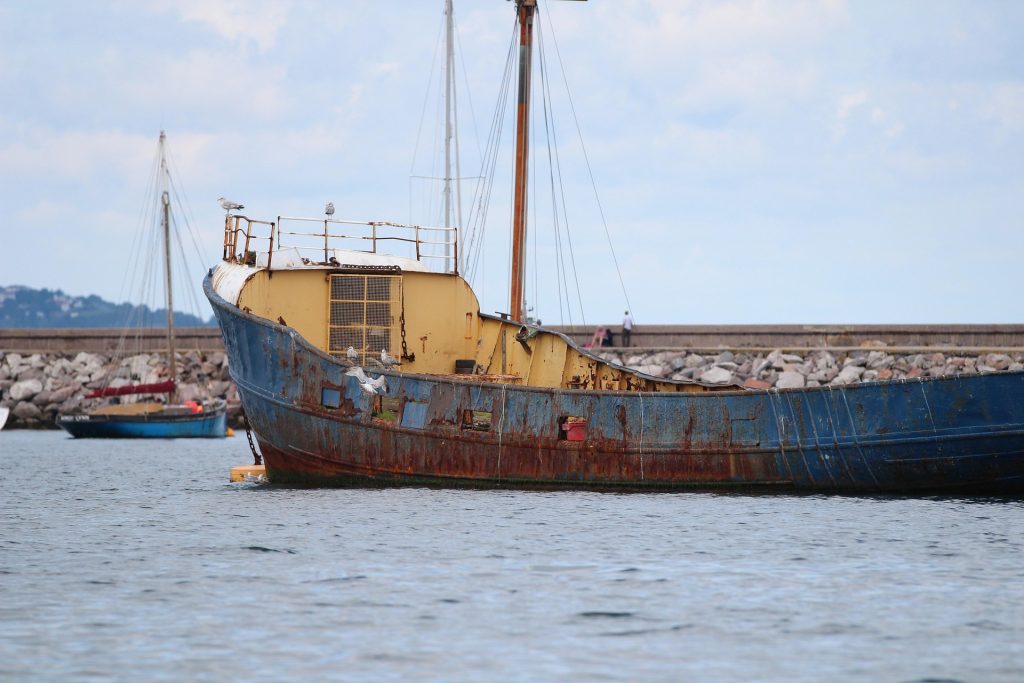
Insurers are facing a complicated challenge in today’s shipping market. The average age of the global fleet is approaching 23 years, creating structural problems for insurers providing cover to shipowners and ship management companies. Driven by elevated freight rates, owners are delaying scrapping decisions and keeping vessels in operation that would historically have been retired.
The rising average age of the fleet has coincided with a marked increase in onboard incidents. Maritime safety incidents increased by 42% between 2018 and 2024, while over the same period the global fleet grew by only 10%. More than half of all incidents in 2024 were attributable to vessels aged 20 years or older, with 41% linked to ships in the 25+ age category. By comparison, in 2014, 41% of incidents involved vessels over 20 years old, with 32% attributable to the 25+ age group. While this trend may not appear negative at face value, short-term gains for insurers risk being outweighed by longer-term consequences, including structural underwriting pressures, rising claim frequency, and increasing friction in the insurance process. Over time, these dynamics strain relationships between owners, managers, and insurers.
Although, much of this discussion around the aging world fleet focuses on insurers and owners, there are also implications for charterers. Charterers sit between commercial performance and operational risk, becoming increasingly exposed to the downstream effects of aging fleets. Even if they do not directly control asset condition or maintenance decisions, they remain affected.
Implications for Insurers
The global marine insurance premium base increased by 1.5% year-on-year from 2024 to 2025, reaching approximately $39.92 billion. This premium income was split across transport and cargo at 57.23%, global hull at 23.51%, offshore energy at 11.71%, and marine liability (excluding P&I covered by International Group clubs) at 7.55%.
While rising premiums may support insurers’ balance sheets in the short term, a longer-term detriment to the industry is now beginning to be flagged by insurers and classification societies alike. As incident frequency rises in line with fleet age, insurance payouts inevitably increase. Premium growth is unlikely to keep pace with the frequency and severity of losses, particularly within the hull and machinery sector. As losses become more frequent, repair costs inflate further, and loss ratios deteriorate despite higher premiums. The resulting underwriting losses may not be immediately visible, but are likely to become more material over the next 12 to 24 months.
Older vessels also present a distinct challenge from a coverage perspective. They blur the line between sudden, accidental damage, which is typically insured, and gradual wear, corrosion, or structural fatigue, which is generally excluded. This ambiguity contributes to more coverage disputes, higher legal and claims-handling costs, and understated but persistent friction between owners, managers, and insurers.
The growing concentration of older tonnage creates diversification challenges for insurers and portfolio instability for owners. For insurers, risk is no longer spread evenly across fleets of varying ages, leading to heightened concentration risk and increased reinsurance pressure. For owners, this manifests in higher premiums and deductibles, more frequent exclusions, and a greater incidence of declined or contested claims, as insurers themselves face constraints in reinsuring their portfolios. These issues are most acute during changes of ownership, where vessels must be placed into new insurance programmes. As reinsurers price marine risk more conservatively, reinsurance costs rise, feeding through to higher owner premiums, tighter underwriting terms, and reduced market capacity.
Impact on Owners
Ultimately, the aging fleet presents two distinct perspectives. For owners, it would be incomplete not to acknowledge the benefits of operating older vessels. Despite higher insurance costs and advancing age, many of these ships remain profitable. Owners are therefore likely to prioritise cashflow and operational returns over the broader challenges insurers face in managing and reinsuring aging tonnage. While declining asset values create liquidity concerns, sustained profitability may be sufficient to justify continued operation.
For insurers, however, rising premiums do little to alleviate the persistent challenge of elevated loss frequency and increasing deductibles. Insurers cannot simply withdraw cover based on vessel age alone. Owners may seek alternative capacity, operate with inadequate insurance, or sell vessels to third parties who continue trading them within the expanding “dark fleet.” This outcome is not necessarily the result of misconduct by owners or insurers, but rather a reflection of market dynamics driven by an aging global fleet. Insurers face sustained pressure on loss ratios and capacity, while simultaneously working to preserve relationships with owners and managers in an industry dominated by a relatively small number of key participants. Although insurers retain tools such as higher deductibles, exclusions, and conditional cover, exercising these measures risks alienating clients in a highly competitive market.
Implications for Charterers
Charterers are increasingly exposed to the consequences of an aging global fleet. As vessels remain in service for longer, operational and commercial risks intensify, particularly when older tonnage experiences mechanical failures, delays, or off-hire events. These disruptions can translate directly into lost revenue, schedule instability, and increased exposure to claims and disputes.
The prevalence of aging vessels also increases the likelihood of off-hire disputes, deviation-related costs, and delays arising from maintenance or class interventions. While vessels may remain technically insured, charterers are often indirectly affected when coverage limitations, disputes, or delays in claims resolution disrupt operations. As a result, charterers find themselves increasingly entangled in insurance-related issues despite having no direct control over the underlying insurance arrangements.
This exposure is likely to intensify as the global fleet continues to age. Charterers face a structural dilemma: they must continue to secure tonnage to conduct their business, yet they have limited influence over vessel age, maintenance standards, or the terms under which vessels are insured. Although, in theory, charterers can favour younger or better-maintained ships, in practice the constrained supply of modern tonnage limits this flexibility. As a result, commercial necessity often outweighs risk preference, leaving charterers with little choice but to accept elevated operational and contractual exposure.

Market Outlook for Insurers, Owners, and Charters
While efforts by classification societies and insurers to encourage higher scrapping rates may yield benefits over time, rising newbuild prices and limited yard capacity suggest that owners will, for now, continue to prioritise profitability from aging vessels over increased capital expenditure on newer tonnage. If profitability continues to outweigh insurability, the market risks drifting toward a smaller, more expensive, and less resilient marine insurance ecosystem.
The only real solution to this current problem of the average age of fleets is a structural realignment that includes all these groups working together to be able to push down the age of the global fleet. However, all three groups are led by the market conditions of the global fleet, insurers need to keep reinsuring aging vessels as a core part o their business, owners will continue to delay scrapping as along as vessels remain profitable and charterers cannot stop hiring the available vessels on the market and would require substantial capital restructuring to become owners themselves.