
Variation 1: Long-form Informative Article
Navigating Troubled Waters: Early Termination of Shelltime Charters in the Strait of Hormuz
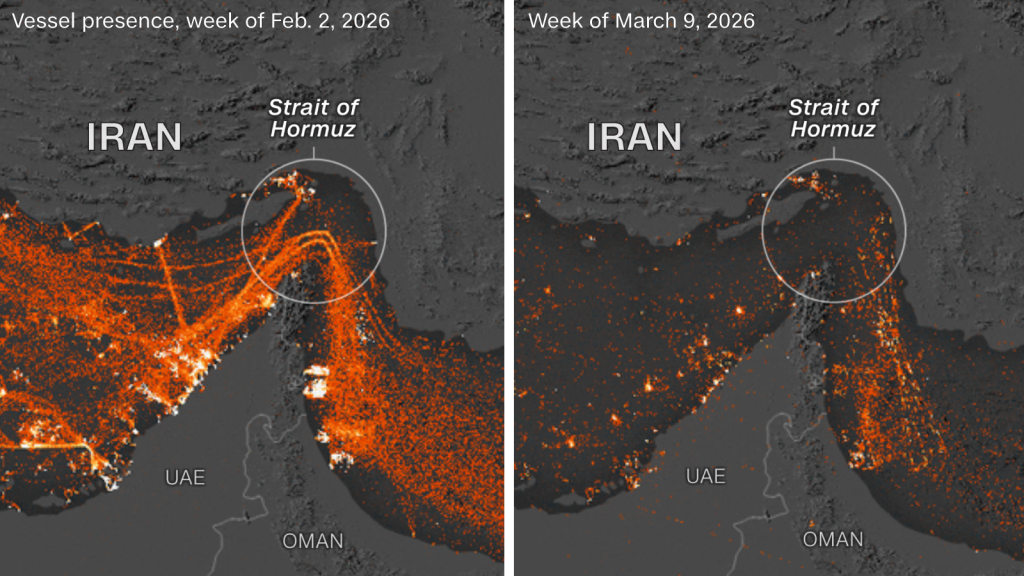
The Strait of Hormuz — a narrow but strategically critical chokepoint connecting the Persian Gulf to the Gulf of Oman — has long been a flashpoint for geopolitical tension. For charterers operating under Shelltime charter agreements, the current instability in this region has raised urgent legal and commercial questions, most notably: when and how can a charterer legitimately terminate a time charter early?
This article examines the current situation from the charterer’s perspective, analyzing the legal mechanisms available under Shelltime, the risks involved, and the strategic decisions charterers must make in one of the world’s most volatile shipping corridors.
The Current Situation in the Strait of Hormuz
The Strait of Hormuz handles approximately 20–21% of the world’s oil traffic, making it the single most important maritime chokepoint on the planet. In recent months, escalating tensions — including drone attacks, vessel seizures, and threats from regional state actors — have transformed this corridor into a high-risk zone for commercial shipping.
Lloyd’s Joint War Committee has listed the Persian Gulf and Gulf of Oman as a war risk area, triggering additional insurance premiums and operational constraints. For charterers who have vessels deployed in or near this region under Shelltime agreements, the commercial calculus has shifted dramatically.
Key developments affecting the current situation include:
- Increased military patrols and naval confrontations in the strait
- Targeted attacks on commercial tankers by unmanned aerial and surface vehicles
- Diplomatic breakdowns between regional powers and Western nations
- Heightened war risk insurance premiums, sometimes exceeding 5% of vessel value per voyage
- Port state advisories warning commercial vessels to avoid the area
Understanding the Shelltime Charter Framework
Shelltime is one of the most widely used standard form time charter agreements in the tanker market. Published by Shell, it has evolved through several versions — most recently Shelltime 4 — and contains detailed provisions governing the rights and obligations of both owners and charterers over the duration of the hire period.
Under a time charter, the charterer hires the vessel for a fixed period and controls its trading area and routes. However, this control is not unlimited. Shelltime contains specific clauses that become critical during periods of heightened risk, including:
- War and Excluded Zones clauses defining areas where the vessel may not be ordered
- Redelivery provisions governing how and when a vessel can be returned
- Off-hire provisions addressing when hire ceases to be payable
- Force majeure considerations, though these are limited in the Shelltime framework
The Charterer’s Right to Terminate: Legal Mechanisms
Early termination under Shelltime is not a simple process. Unlike a voyage charter where the relationship ends at cargo discharge, a time charter creates a longer-term commitment. However, charterers are not without options when circumstances on the ground — or at sea — change dramatically.
1. Repudiation and Accepted Breach
If the shipowner commits a repudiatory breach — for example, by refusing to comply with legitimate voyage orders due to perceived war risk — the charterer may accept that breach and treat the charter as terminated. This is a high-stakes legal move requiring careful documentation and legal advice.
2. Frustration of Contract
The doctrine of frustration applies where a supervening event, beyond the parties’ control, renders performance of the contract impossible or radically different from what was agreed. In the context of the Strait of Hormuz, a charterer might argue that sustained military blockade, vessel seizure, or a complete closure of the strait could frustrate the charter purpose.
However, English courts — which typically govern Shelltime disputes — apply this doctrine narrowly. The fact that performance has become more expensive or commercially disadvantageous is not sufficient to trigger frustration. The event must fundamentally destroy the basis of the contract.
3. War Cancellation Clauses
Shelltime 4 incorporates war risk provisions, typically through incorporation of CONWARTIME or VOYWAR clauses. These allow the vessel to deviate or refuse to enter designated war zones. Critically, if the vessel cannot be deployed in the agreed trading area due to war risk restrictions, the charterer may have grounds to argue that the commercial purpose of the hire is defeated.
4. Constructive Off-hire and Hire Reduction
Where a vessel is unable to perform due to war risk conditions, a charterer may argue that the vessel is off-hire. While this does not in itself terminate the charter, sustained off-hire periods can create leverage for commercial renegotiation or, in extreme cases, support a frustration argument.
Practical Considerations for Charterers
From a practical standpoint, charterers considering early termination must weigh several factors carefully:
Commercial Exposure: Wrongful termination of a Shelltime agreement exposes the charterer to substantial damages claims from the owner, including loss of hire for the remainder of the charter period. With daily hire rates potentially in the range of $25,000 to $60,000 for VLCC tankers, the financial stakes are enormous.
Mitigation Obligations: Even if termination is legally justified, the charterer must act promptly and mitigate its losses. Delayed action may weaken the legal position and increase overall exposure.
Insurance Coordination: Charterers should engage their P&I clubs and war risk insurers immediately upon identifying heightened risk scenarios. War risk additional premiums, loss of hire coverage, and liability exposure all need to be coordinated before any termination decision is made.
Documentary Evidence: A successful frustration or constructive breach argument will depend heavily on contemporaneous records — voyage orders, correspondence with the owner, insurance notifications, port authority advisories, and incident reports should all be preserved meticulously.
Keyword suggestions: Shelltime 4 early termination, time charter frustration doctrine, Strait of Hormuz shipping risk, war risk clause tanker, charterer termination rights maritime law
Mechanism | Legal Basis | Difficulty Level | Charterer Risk | Best Applied When |
Repudiation / Accepted Breach | Common Law | High | Very High | Owner refuses lawful orders |
Frustration of Contract | Common Law / Statute | Very High | Moderate (if upheld) | Strait fully inaccessible |
War Cancellation Clause | Contractual (CONWARTIME) | Moderate | Low to Moderate | War zone designation triggered |
Constructive Off-hire | Contractual | Moderate | Low (no termination per se) | Vessel unable to perform |
Commercial Renegotiation | Mutual Agreement | Low | Low | Both parties seek flexibility |
Conclusion: Strategic Decision-Making in Uncertain Waters
The Strait of Hormuz crisis presents charterers with a uniquely complex legal and commercial challenge. While Shelltime provides a robust framework for managing operational risk, its provisions for early termination are narrow and require careful, evidence-based application. Charterers who act precipitously risk catastrophic financial exposure; those who wait too long may find themselves locked into dangerous and commercially unviable arrangements.
The most prudent approach combines proactive legal review, close coordination with insurers, clear documentation of operational disruption, and early engagement with owners to explore commercial solutions before resorting to unilateral termination. In volatile waters, the best navigation is always one that combines legal rigor with commercial pragmatism.
Variation 2: Thought Leadership Piece
The Charterer’s Dilemma: When Geopolitics Breaks Your Time Charter
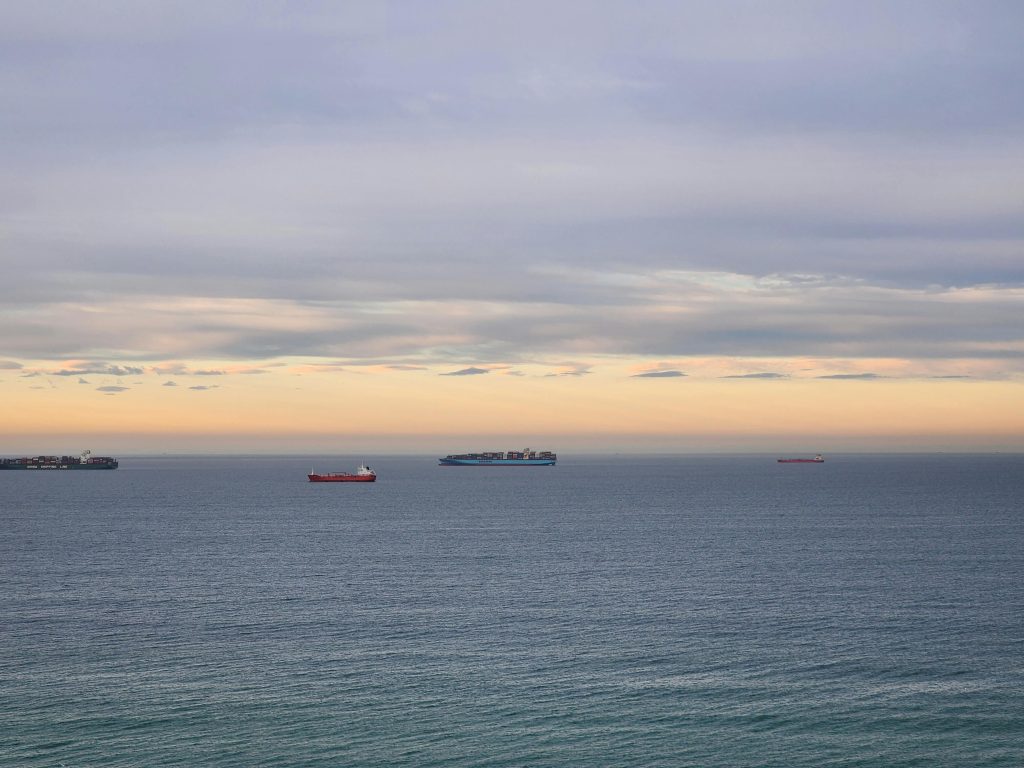
There is a particular kind of anxiety that settles over a shipping operations team when the news wires light up with another incident in the Strait of Hormuz. It is not just the immediate safety concern — it is the dawning realization that the elegant legal architecture of a time charter agreement, carefully negotiated and professionally executed, may be wholly inadequate for the reality unfolding in real time on the AIS tracker.
For charterers operating under Shelltime agreements with vessels in or near the Persian Gulf, the current crisis is not an abstract legal question. It is an urgent operational, financial, and reputational challenge demanding answers that maritime law — and Shelltime specifically — was not always designed to provide.
The Illusion of Contractual Certainty
Standard form time charters like Shelltime 4 are built on an assumption of relative geopolitical stability. They allocate risk carefully between owner and charterer: the owner provides a seaworthy vessel; the charterer directs its employment. The system works beautifully in normal times.
But what happens when “normal” evaporates? When drone swarms shadow tankers through the strait, when naval vessels shadow commercial ships through contested waters, when war risk premiums spike by 300% overnight — the contractual architecture begins to show its seams.
The Shelltime framework does include war risk provisions, but they were designed primarily to protect the owner’s asset. The charterer’s right to exit a charter that has become commercially catastrophic is far less clearly delineated. This asymmetry is the central challenge facing charterers today.
Rethinking the Charterer’s Toolkit
Progressive charterers are beginning to approach this challenge not merely as a legal problem to be solved after the fact, but as a risk management issue to be addressed before contracts are signed. This means:
- Negotiating bespoke war risk and geopolitical exit clauses at the chartering stage
- Incorporating named exclusion zones with clear termination triggers tied to objective criteria such as Lloyd’s war risk listings
- Building in commercial break options at defined intervals for long-term charters
- Ensuring insurance coverage explicitly addresses charterer’s liability exposure in war risk scenarios
For charters already in place, the toolkit is more limited but still meaningful. The doctrine of frustration, while difficult to invoke successfully under English law, remains available where the fundamental purpose of the charter has been genuinely destroyed. War risk clause provisions under CONWARTIME 2013 — increasingly incorporated by reference into Shelltime agreements — provide operational escape hatches that a well-advised charterer can use to manage exposure even if they cannot fully exit the charter.
The Human Element: Crew Safety and Charterer Responsibility
Beyond the financial and legal dimensions, there is a dimension that receives insufficient attention in maritime legal commentary: the charterer’s moral and practical responsibility for crew safety.
Under a time charter, the charterer directs the vessel’s trading. Ordering a vessel into a high-risk war zone places the crew — who are the owner’s employees — in danger. The reputational and ethical consequences of a crew member being killed or taken hostage because a charterer prioritized commercial convenience over safety are severe and lasting.
Forward-thinking charterers are increasingly treating crew safety not as an owner’s problem but as a shared responsibility, integrating real-time threat intelligence feeds into their voyage planning and establishing internal escalation protocols that trigger automatically when risk thresholds are crossed.
Looking Ahead: A Call for Contractual Evolution
The maritime industry’s standard form contracts have served it well for decades. But the Strait of Hormuz crisis — like the Panama Canal drought before it and the COVID-19 disruptions before that — reveals the limits of legacy contractual frameworks in an era of accelerating geopolitical and environmental volatility.
The shipping industry needs a serious conversation about updating standard form time charter agreements to include more nuanced and balanced war risk and force majeure provisions, clearer termination triggers tied to objective third-party designations, and explicit frameworks for commercial renegotiation when circumstances change materially.
Until that conversation produces results, charterers must navigate with the tools they have — which means investing in legal expertise, building operational flexibility, and refusing to let contractual inertia drive decisions that should be made on the merits.
Keyword suggestions: Shelltime 4 war risk charterer rights, time charter geopolitical risk management, CONWARTIME 2013 charterer protection, Persian Gulf shipping legal risk, Strait of Hormuz tanker charter termination
Variation 3: Practical How-to Guide
How Charterers Can Pursue Early Termination of a Shelltime Agreement Due to Strait of Hormuz Conditions: A Step-by-Step Guide
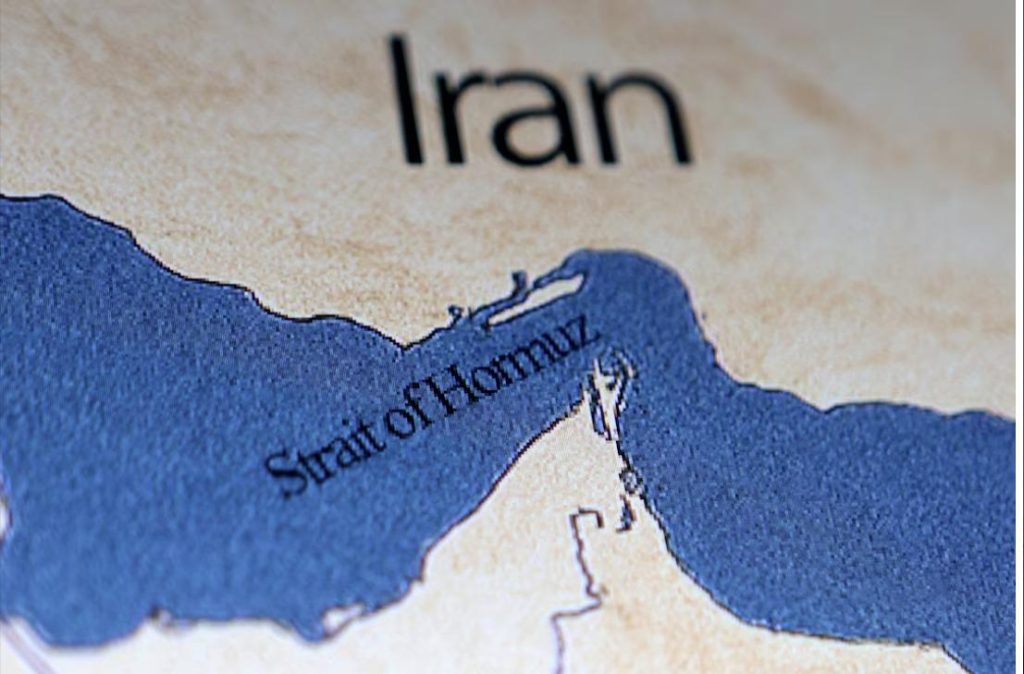
If you are a charterer with a vessel employed under a Shelltime time charter and the current security situation in the Strait of Hormuz is threatening your operations, this guide provides a structured, practical framework for assessing and — where appropriate — pursuing early termination of your charter agreement.
This guide is for informational purposes only and does not constitute legal advice. Always consult qualified maritime legal counsel before taking action.
Step 1: Assess Your Current Legal Position
Before taking any action, you need a clear picture of where you stand contractually. Pull together the following documents and review them carefully with your legal team:
- The Shelltime charter party (identify the version — Shelltime 3 or 4)
- All addenda, side letters, and rider clauses
- Incorporated war risk clauses (CONWARTIME 2013 or VOYWAR 2013)
- The agreed trading area and any exclusion zones already specified
- Redelivery and termination provisions
- Applicable law and arbitration clause (typically English law / London arbitration)
Step 2: Document the Changed Circumstances
Any legal argument for early termination will depend on demonstrating that circumstances have changed materially and objectively. Begin building your evidence file immediately:
- Obtain the current Lloyd’s Joint War Committee designated areas list confirming war risk status
- Collect insurance broker correspondence confirming additional premium requirements
- Gather port authority and flag state advisories regarding the strait
- Document any actual incidents affecting vessels in the region
- Record all communications with the owner regarding the risk situation
- Obtain legal opinions on the current state of risk designation
Step 3: Engage Your Insurance Team
Contact your P&I club, war risk insurers, and brokers without delay. Confirm:
- Whether coverage remains in place for the affected trading area
- The quantum of additional war risk premiums now applicable
- Whether the insurer has issued any navigational recommendations
- Your potential liability exposure if a crew injury or vessel loss occurs
- Whether a charterer’s liability endorsement covers early termination consequences
Step 4: Communicate Formally with the Shipowner
Do not make unilateral decisions without first formally communicating with the shipowner in writing. Your communication should:
- Set out the factual basis for your concern in clear, objective terms
- Reference specific charter party clauses you believe are engaged
- Propose a commercial discussion regarding charter modification or termination
- Avoid inflammatory language or premature assertions of breach
- Set a reasonable deadline for the owner’s response
Many early termination situations are resolved commercially through mutual agreement, avoiding costly arbitration. Owners with vessels that cannot safely operate in the current environment may be receptive to early redelivery or charter restructuring.
Step 5: Consider the Available Legal Routes
If commercial negotiation fails, work with your legal advisors to assess which legal mechanism best fits your situation:
Situation | Recommended Route | Key Evidence Required |
Owner refuses to follow lawful voyage orders citing war risk | Accept repudiation / terminate for breach | Written refusal, voyage orders, legal opinion |
Strait fully closed by military or governmental action | Frustration of contract | Official closure orders, Lloyd’s advisory, legal opinion |
War zone designation prevents deployment in agreed area | CONWARTIME clause + commercial negotiation | War risk listing, insurance correspondence |
Vessel unable to perform due to ongoing attacks | Off-hire claim + renegotiation | Incident reports, AIS data, master’s logs |
Neither party wishes to continue charter | Mutual termination agreement | Signed termination agreement, settlement terms |
Step 6: Calculate Your Financial Exposure
Before committing to any termination strategy, model out your financial exposure under different scenarios:
- Cost of continued charter: Remaining hire at the agreed daily rate plus enhanced war risk premiums
- Cost of wrongful termination: Damages equal to the owner’s loss of hire for the charter remainder, potentially $500,000 to several million USD depending on vessel type and remaining period
- Cost of frustration claim (if successful): Apportionment of prepaid hire under the Law Reform (Frustrated Contracts) Act 1943
- Cost of arbitration: Legal fees, tribunal costs, and potential adverse costs orders
Step 7: Execute Your Chosen Strategy With Precision
Once a strategy has been selected and legal advice obtained, execution must be precise and well-timed. Key principles:
- All communications should be in writing and timestamped
- Termination notices must comply exactly with charter party requirements as to form, notice period, and delivery method
- Do not take inconsistent positions — acting as if the charter continues while simultaneously asserting termination undermines your legal position
- Preserve all evidence and maintain your mitigation obligations throughout
- If proceeding to arbitration, file your notice promptly to preserve limitation rights
Summary Checklist for Charterers
- Review charter party clauses and incorporated war risk provisions
- Obtain current war risk designation documentation from Lloyd’s JWC
- Engage P&I club and war risk insurers immediately
- Communicate formally and constructively with the shipowner
- Obtain specialist maritime legal advice on available termination routes
- Model financial exposure under all scenarios before acting
- Execute chosen strategy precisely, in writing, and consistently
- Maintain meticulous records throughout the process
Keyword suggestions: how to terminate Shelltime charter early, charterer war risk termination guide, Shelltime 4 redelivery procedure, Strait of Hormuz charter legal options, time charter frustration English law, CONWARTIME 2013 charterer guide
Final Thought
Early termination of a Shelltime time charter is never a decision to be taken lightly — least of all in a geopolitical environment as unpredictable as the current Strait of Hormuz crisis. But with the right legal framework, careful documentation, and a commitment to acting in good faith, charterers can protect their commercial interests and their legal position without exposing themselves to unnecessary risk. The key is to act early, act carefully, and always act with legal counsel at your side.